When a pallet of frozen seafood sits on a dock for twenty minutes on a hot afternoon, the internal temperature of the cartons on the pallet edges can rise by several degrees—enough to compromise product quality before the truck even arrives. This scenario plays out daily in supply chains that treat temperature control as a facility problem rather than an end-to-end operational discipline. Temperature controlled warehousing is the practice of storing, handling, and preparing products within a tightly regulated temperature and humidity envelope. It is not merely a colder version of a standard warehouse; it is a purpose-built environment where every decision—from racking layout to the equipment used for picking and delivery—directly affects the integrity of the products moving through it.
For logistics and supply chain managers evaluating a new facility or upgrading an existing one, the practical question is not just "what temperature should the room be?" but "how do I keep the cold chain unbroken from the receiving dock to the delivery van?" This guide addresses those operational realities, with a particular focus on the internal logistics equipment—insulated containers, roll cages, stillages, and transport insulation—that allows a temperature controlled warehouse to function effectively beyond its own walls.
Temperature controlled warehousing refers to a logistics facility specifically engineered to store, stage, and ship products within a defined temperature and humidity range. Unlike a standard dry warehouse, these facilities maintain a consistent internal climate regardless of external conditions, using refrigeration systems, insulated building envelopes, and continuous monitoring. The core objective is preserving cold chain integrity—the uninterrupted series of refrigerated environments that protects perishable and temperature-sensitive goods from degradation, spoilage, or safety hazards.
For practical planning, facilities are commonly categorized into four temperature ranges. These are not arbitrary standards; they correspond to the biological and chemical behavior of different product families.
It is worth distinguishing temperature controlled warehousing from two adjacent terms. An ambient warehouse provides no temperature regulation at all; it simply protects goods from weather. A climate-controlled warehouse offers broader environmental management, typically including both temperature and humidity regulation, and is often used for products like wood, electronics, or certain cosmetics that are sensitive to moisture but do not require cold-chain conditions. Temperature controlled warehousing, by contrast, is specifically focused on maintaining a precise, often narrow, temperature band—and frequently a humidity band as well—to protect perishable or scientifically sensitive products.
The increasing prominence of temperature controlled warehousing is tied directly to the growth of global cold chain logistics. As supply chains extend across continents and consumer expectations for fresh and frozen goods rise, the ability to maintain a stable temperature environment from production to final delivery has become a competitive necessity rather than a niche capability.
Choosing between these three types of warehousing is a decision about product risk tolerance. The table below summarizes the key distinctions to help you evaluate which facility type fits your product profile.
| Warehouse Type | Temperature Management | Humidity Management | Typical Products | Relative Operational Cost |
|---|---|---|---|---|
| Ambient | None | None | Dry goods, canned foods, packaging materials | Lowest |
| Climate-Controlled | Broad range, often moderate | Yes, regulated | Wood, electronics, some cosmetics, certain confectionery | Moderate |
| Temperature-Controlled | Strict, precise band | Often Yes, depending on product | Fresh food, frozen food, pharmaceuticals, chemicals, biologics | Highest |
For products that are merely moisture-sensitive, a climate-controlled facility offers a cost-effective middle ground. But for items that physically change or become unsafe outside a narrow temperature band—like fresh meat, vaccines, or frozen seafood—only a temperature controlled warehouse can provide the required safeguards. The decision also affects downstream handling: temperature controlled facilities impose stricter operational discipline, including faster dock turnaround, insulated staging areas, and careful sequencing of loading and unloading.
Several industries depend on temperature controlled warehousing not just for quality, but for legal compliance and consumer safety. Understanding these applications helps clarify the equipment and procedural standards required within the facility.
The largest user of temperature controlled storage, the food and beverage sector handles everything from fresh produce to frozen entrees. Temperature fluctuations accelerate enzymatic activity in fruits and vegetables, promote bacterial growth in meats and dairy, and degrade the texture and flavor of frozen goods. A single temperature excursion in a refrigerated warehouse can reduce the shelf life of fresh fish by days, leading to waste and potential foodborne illness.
Vaccines, insulin, biologics, and many specialty drugs require cold-chain storage to remain effective. The consequences of temperature excursions are severe: a vaccine exposed to excessive heat loses potency and must be discarded, while freezing can irreversibly damage certain protein-based therapies. Regulatory frameworks such as Good Manufacturing Practices (GMP) and the WHO's vaccine cold chain requirements demand strict temperature monitoring and validated storage procedures.
Certain industrial chemicals, adhesives, paints, and laboratory reagents require temperature control to maintain their chemical stability and safe handling characteristics. In some cases, temperature control is not about preserving quality alone—it is about preventing hazardous reactions or excessive pressure buildup in containers.
Natural cosmetics, emulsions, and products containing active botanical ingredients can separate, crystallize, or lose efficacy in heat. While not as safety-critical as pharmaceuticals, these products require consistent cooler temperatures to protect brand reputation and avoid customer complaints about degraded texture or appearance.
The common thread across all these industries is that temperature control is not a one-time event but a continuous chain. The warehouse is one link in that chain, and the equipment used to move products within and beyond it determines whether the chain holds or breaks.
Running a temperature controlled warehouse involves more than setting a thermostat. It requires a coordinated system of facility-level climate management, precise monitoring, and purpose-built internal logistics equipment that can withstand cold environments and extend the cold chain through to delivery.
The refrigeration system—typically comprising compressors, condensers, expansion valves, and evaporators—is the heart of the facility. Its sizing and layout depend on room dimensions, the temperature difference between inside and outside, the frequency of dock door openings, and the amount of stored product generating heat through respiration or packaging. The building envelope, including insulated panels, vapor barriers, and dock seals, is equally critical: even a powerful refrigeration unit cannot maintain a stable temperature if the surrounding structure leaks cold air or allows moisture ingress.
Continuous temperature monitoring is a non-negotiable requirement in any temperature controlled warehouse. Sensors should be deployed at multiple strategic points—near doors, in high-traffic aisles, and at various heights within racking—to capture a representative picture of the room's thermal profile. Modern monitoring systems log data at intervals of a few minutes and can trigger alarms when temperatures drift outside specified limits. This data serves a dual purpose: it provides a traceable chain of custody for regulatory audits and enables managers to identify patterns of temperature loss that point to door seals, excessive open-door time, or ineffective air circulation.
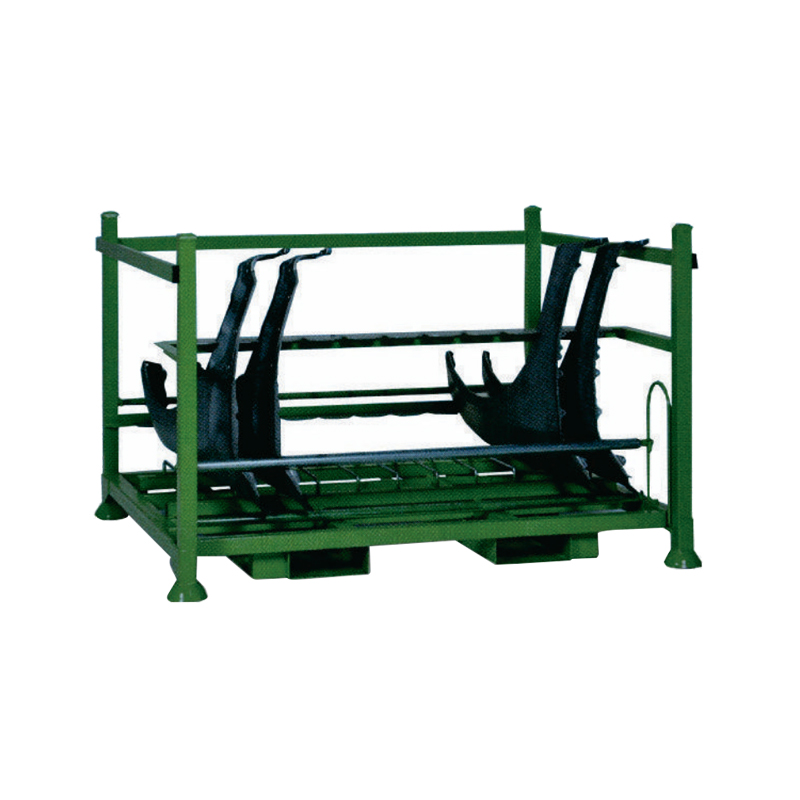
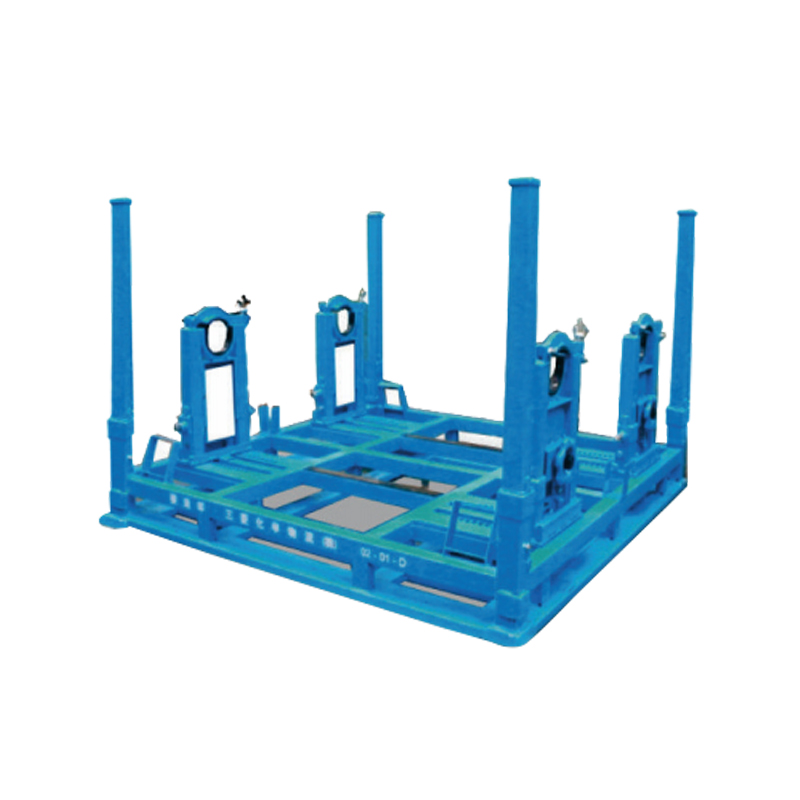
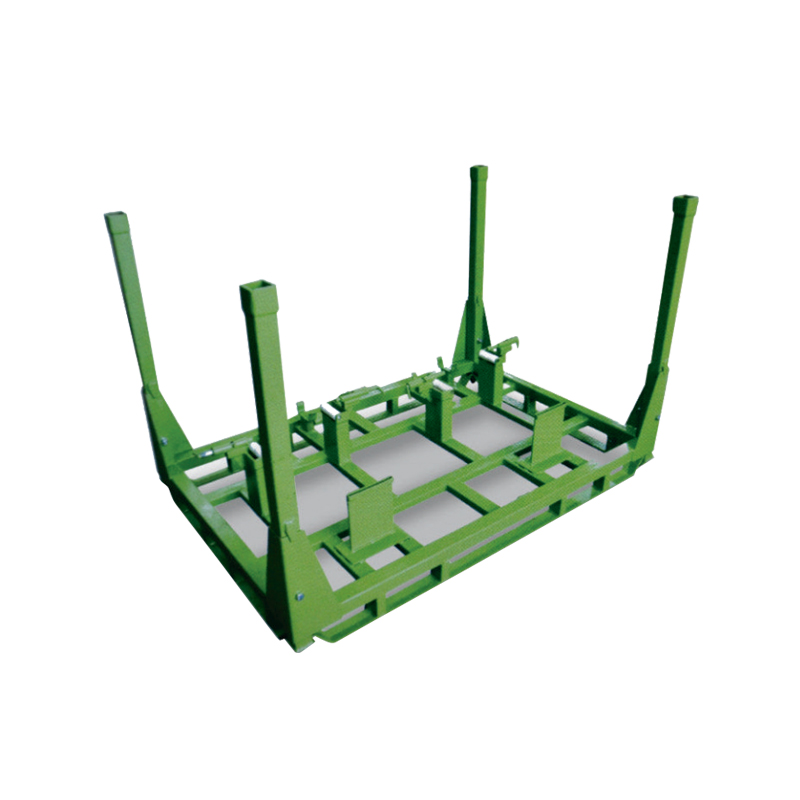
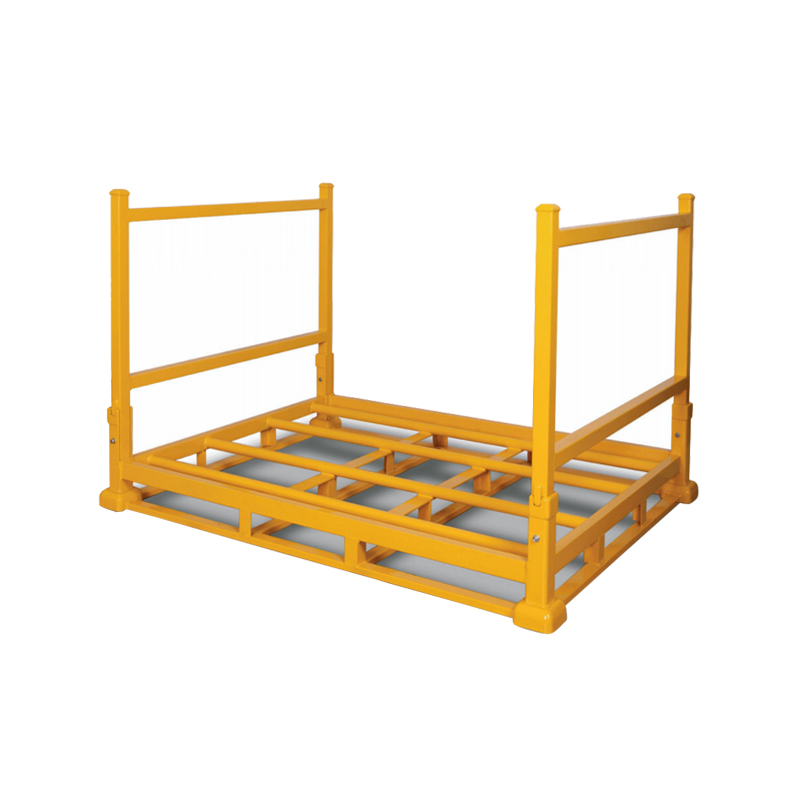
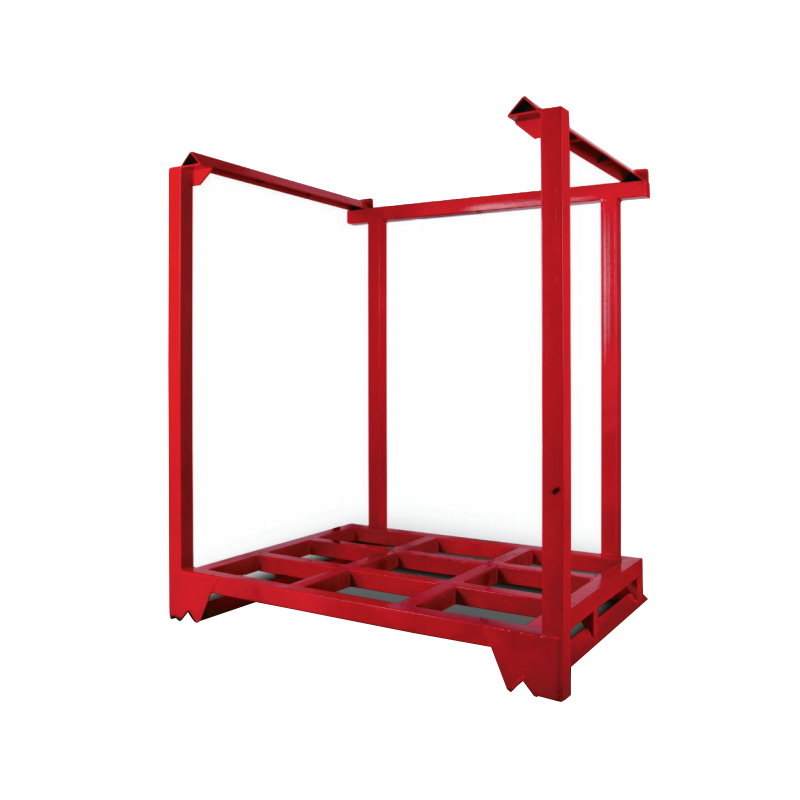
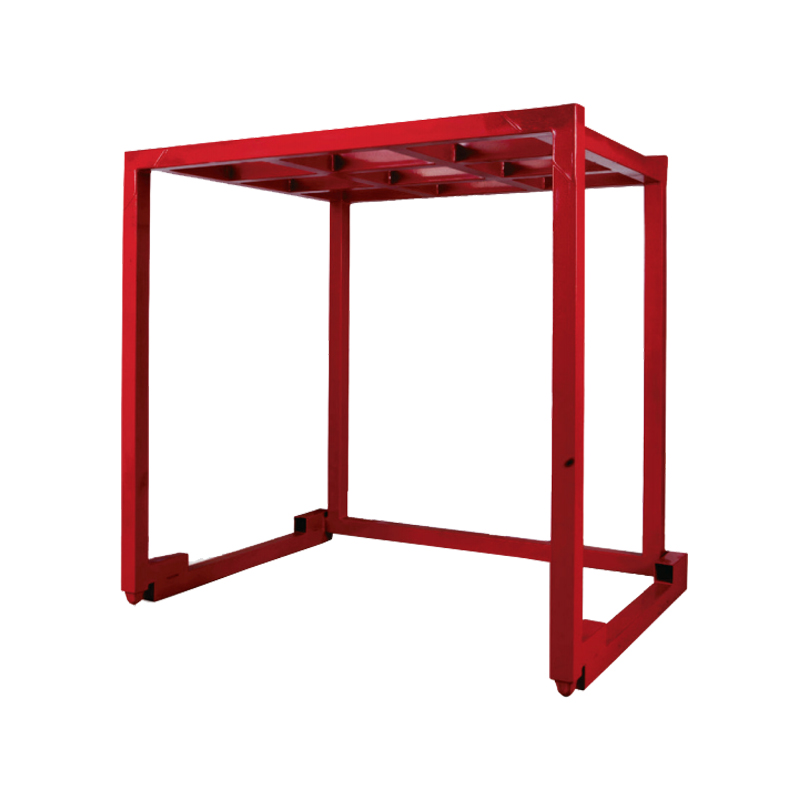
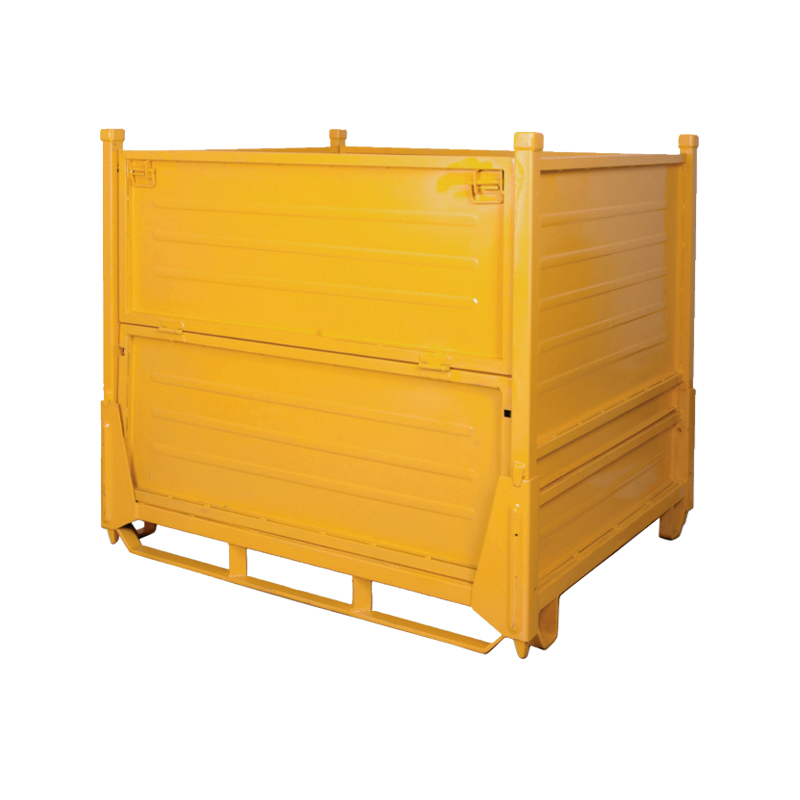
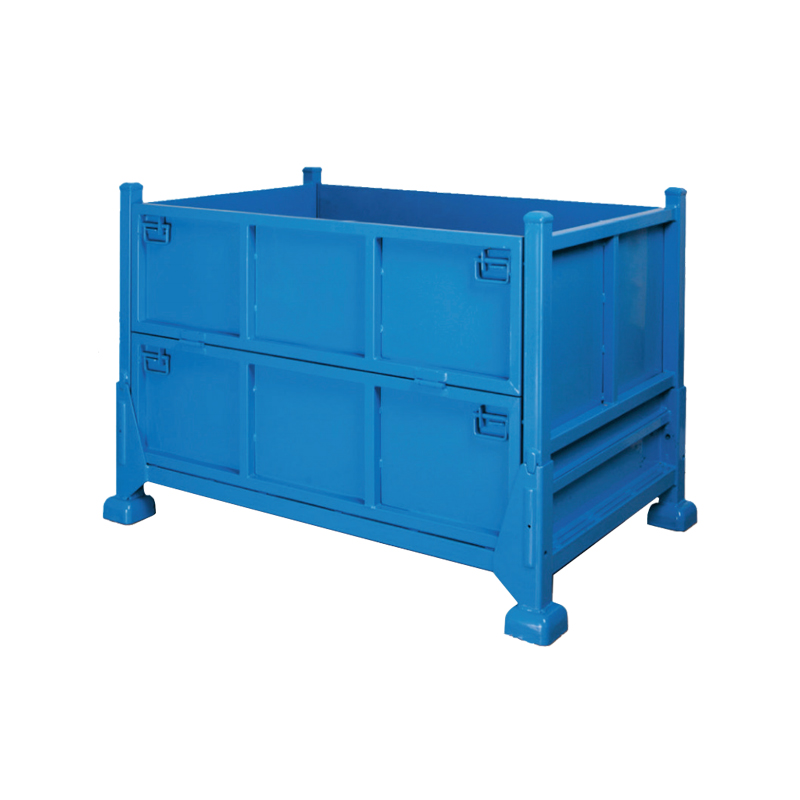
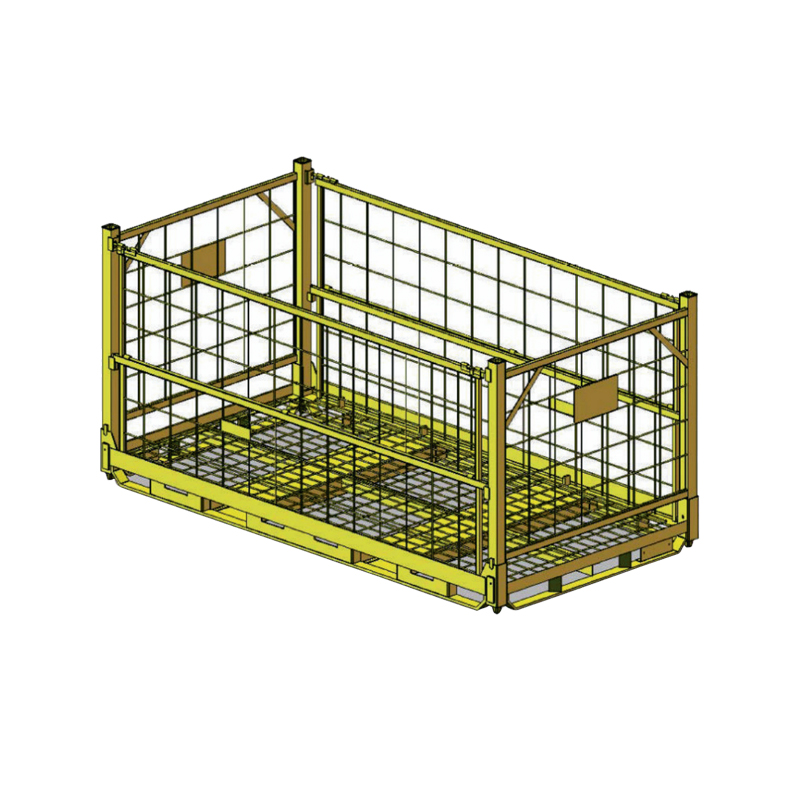
The storage structure inside a cold room must be designed for low-temperature operation. Standard steel racking may become brittle in extreme cold, so selected racking and storage equipment should use cold-resistant steel grades. Storage units that are foldable or collapsible offer two distinct advantages in a cold environment: they reduce the volume of empty equipment that occupies valuable refrigerated floor space, and they allow for staging and handling without specialized fixtures. Foldable steel stillages and stacking racks are commonly used for this reason in cold storage, supporting palletized or loose goods while keeping aisle widths efficient.
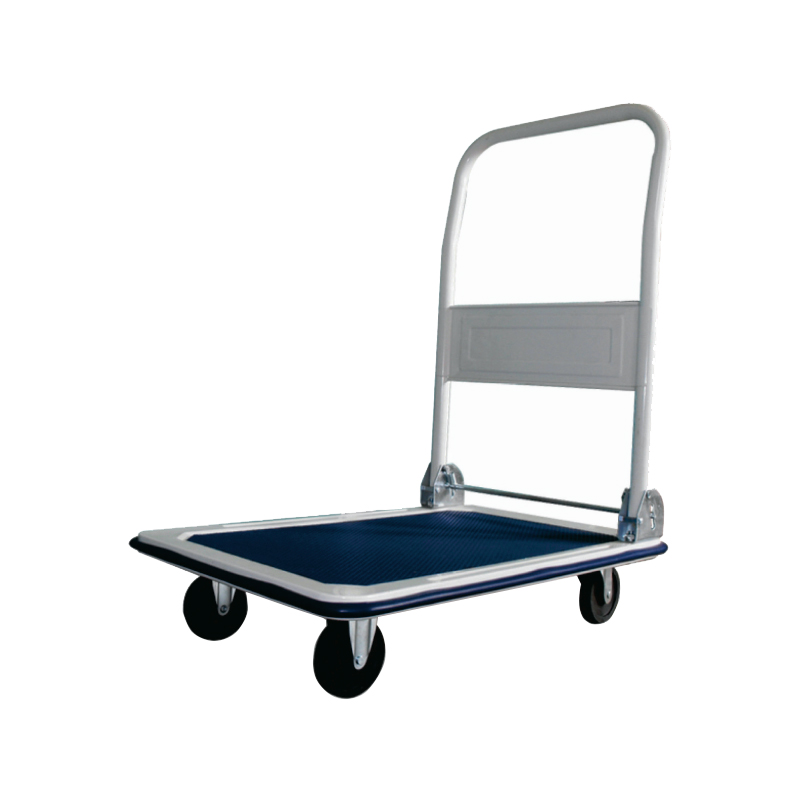
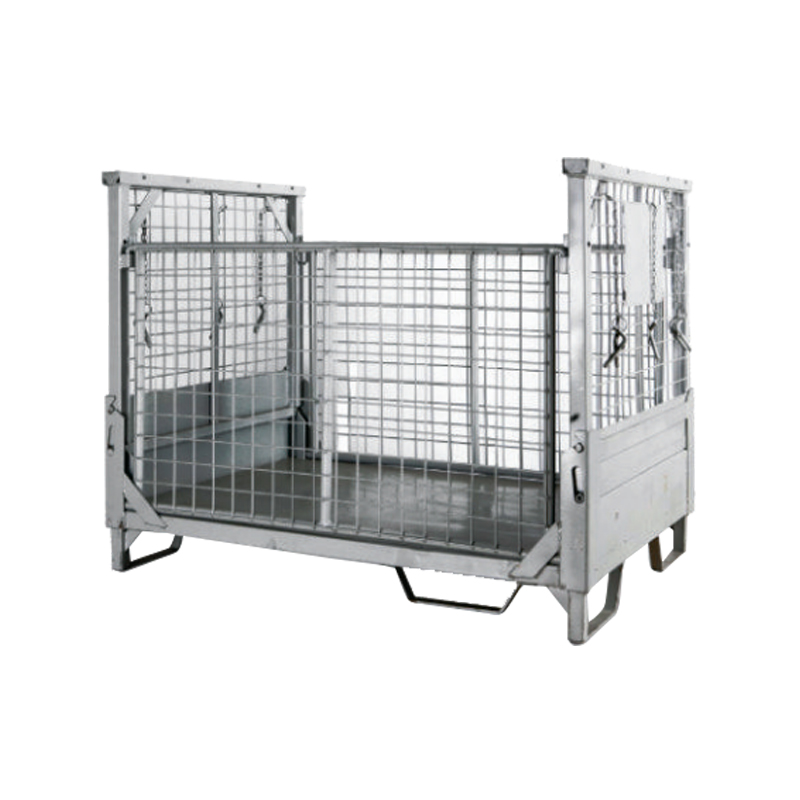
Material handling in a refrigerated warehouse imposes demands that dry warehouses never face. Consider the operator wearing insulated gloves and heavy clothing: equipment must be easy to handle without fine finger dexterity, and any metal surfaces exposed to bare hands should be minimized. Roll cages, platform trucks, and wire mesh containers made from galvanized steel are the workhorses of cold storage operations. They allow staff to pick and stage products quickly, keep goods organized during transport to the dock, and integrate seamlessly with dock-level operations. A key consideration here is insulation layered into the handling equipment itself. For instance, insulated roll cage trolleys combine the mobility of a standard roll cage with insulation panels or covers, allowing products to remain at a safe temperature during transport from the cold room to a refrigerated truck or even during a short wait at a loading dock.
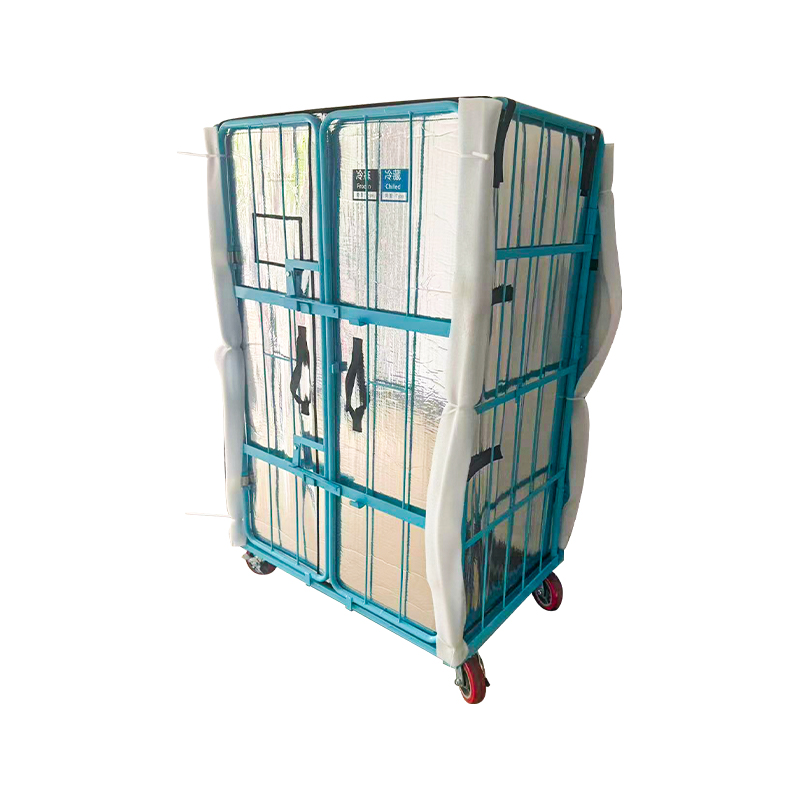 Wholesale L-Insulated Roll Cage Trolley Suppliers, Manufacturers - Shanghai BetiShanghai Betis Logistics Equipment Co., Ltd. is China wholesale L-Insulated Roll Cage Trolley suppliers and OEM/ODM manufacturers, detail...View Product →
The most tightly controlled warehouse loses its value if the cold chain breaks during the final leg of delivery. Once products leave the cold room, they enter a race against time. Without insulation, a product stored at 35°F can rise toward ambient temperature within minutes. The solution lies in portable insulated equipment designed to bridge the gap between the warehouse and the point of sale or consumption.
Insulated delivery cabinets, heavy-duty long-haul boxes, and double-layer delivery bags extend the cold chain during transport. For example, foldable crate insulation liners provide a flexible layer inside standard folding crates, enabling existing equipment to carry temperature-sensitive products without replacing the entire crate fleet. Similarly, insulated covers for supermarket cage carts turn a standard roll cage into a temporary cold box during store delivery, protecting goods from warm outside air during the trip and while staged at the retail location.
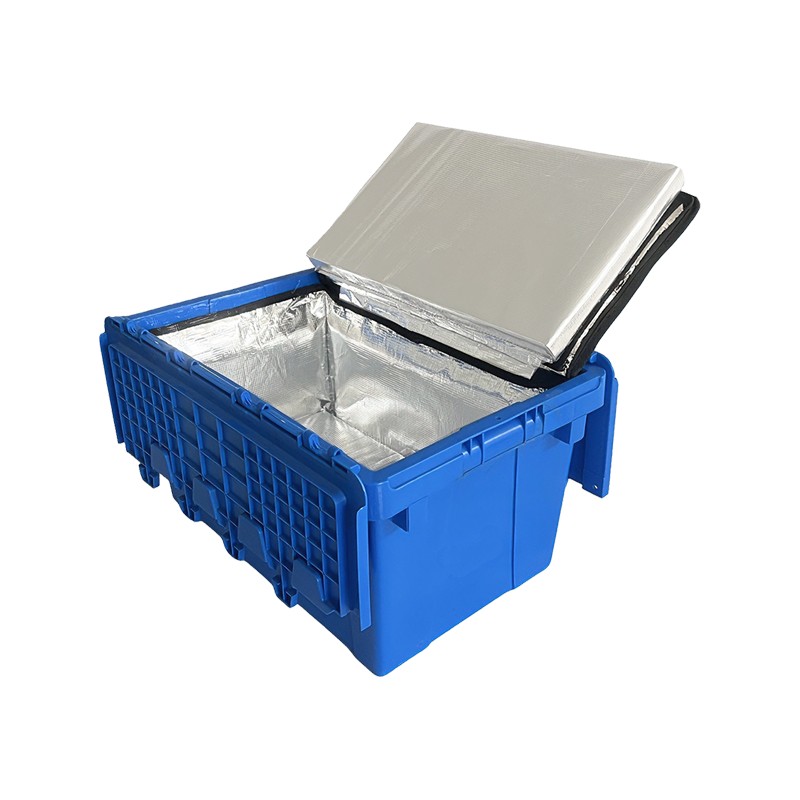 Wholesale Folding Crate Insulation Liner Suppliers, Manufacturers - Shanghai BetShanghai Betis Logistics Equipment Co., Ltd. is China wholesale Folding Crate Insulation Liner suppliers and OEM/ODM manufacturers, detai...View Product →
The selection of insulated equipment should be based on the product's required temperature range, the expected transport duration, and the ambient temperature conditions along the delivery route. A short-distance delivery in a moderate climate has very different insulation needs than a long-haul route in summer heat.
Whether you are building a new temperature controlled facility or upgrading an existing dry warehouse, several factors will determine both operational performance and total cost of ownership.
Cooling energy is the single largest operating expense in a temperature controlled warehouse. Investments in high-performance insulation, efficient refrigeration units, and intelligent temperature control systems pay for themselves over time through reduced energy consumption. Air curtain at dock doors, high-speed door systems, and strategic placement of cold storage zones also reduce the cold air loss during frequent dock traffic.
Refrigerated floor space is expensive to build and operate, so maximizing its usable volume matters. This means using vertical racking where possible, but also choosing storage and handling equipment that is collapsible or stackable when empty. Foldable stillages, stacking racks, and wire mesh containers allow you to expand effective storage volume without expanding the facility footprint. Good space utilization extends beyond racking, to the layout of aisles for material handling equipment, ensuring that picking paths are short and traffic flows are efficient.
Cold storage environments are physically demanding. Workers in cold rooms wear heavy protective clothing and gloves, which limit dexterity and reduce productivity compared to working in a dry warehouse. Choosing lightweight, smooth-rolling equipment with ergonomic handles reduces physical strain and speeds up operations. Regular maintenance of both refrigeration and handling equipment prevents downtime, which is especially costly in a cold chain environment where a prolonged interruption can threaten an entire inventory.
Depending on the products stored, a temperature controlled warehouse may need to comply with food safety regulations like HACCP, pharmaceutical GMP requirements, or chemical storage standards. These frameworks require documented evidence of temperature control, validated storage procedures, and corrective action plans in the event of a temperature excursion. Digital data loggers that provide tamper-proof records are essential to satisfy these obligations.
Maintaining cold chain integrity is an ongoing operational commitment. These best practices provide a practical framework for both new and established temperature controlled operations.
Not all products in a temperature controlled warehouse need the same temperature. Segregate zones for ambient, cool, refrigerated, and frozen storage to avoid unnecessary cooling costs and to prevent products from being exposed to temperatures outside their required band. Clear signage and color-coded zones help reduce picking errors.
Temperature sensors drift over time, and refrigeration equipment loses efficiency as filters clog or coils frost over. Schedule regular calibration of monitoring devices and an annual preventive maintenance program for refrigeration systems. A small maintenance backlog can become a large inventory loss when a compressor fails during a hot week.
Define and enforce procedures for dock door management, product staging, and picking sequences. Limit the time dock doors remain open during loading and unloading. Stage products in a chilled buffer area before loading into an insulated vehicle pre-cooled to the required temperature. Sequence picking so that frozen products are picked last where practical, minimizing their exposure to warmer aisle temperatures.
Extends the cold chain by adding insulation equipment—such as insulation covers for supermarket cage carts, insulated roll cage trolleys, or foldable crate insulation liners—into the handling process. For products being moved from the warehouse to a retail location, this layer of protection is not optional; it is the critical margin between safe delivery and product loss.
Review the temperature data collected over time to identify recurring patterns of temperature loss. If a particular dock door shows a temperature bump every afternoon, an employee may be holding a door open too long, or a door seal may be failing. Use the data to drive corrective actions, whether they involve training, equipment repair, or changes to scheduling.
Temperature controlled warehousing is not just about maintaining a cold room—it is about executing a complete, uninterrupted cold chain across every stage of storage, handling, and delivery. A well-designed facility with robust refrigeration and monitoring is essential, but it is only as effective as the process and equipment that move products through it. From foldable steel stillages and stacking racks that optimize cold storage space, to insulated roll cage trolleys and foldable crate insulation liners that protect goods during transport, the internal logistics equipment of a temperature controlled warehouse determines whether the cold chain holds to the final destination.
The key takeaway for logistics and supply chain managers is to evaluate temperature control as an integrated system: facility infrastructure, monitoring protocols, storage equipment, and delivery insulation. Each link must be engineered to sustain the required temperature range, and each must complement the others. By investing in the right equipment and operational discipline, you can protect product quality, extend shelf life, reduce waste, and meet the compliance demands of your industry—not just inside the warehouse, but across the entire cold chain.
For facility managers and procurement specialists seeking hardware solutions for temperature controlled warehousing, exploring cold chain delivery insulation cabinets and roll cage trolleys designed for low-temperature environments provides a concrete starting point for upgrading your internal logistics capability.
Copyright © 2024 Shanghai Betis Logistics Equipment Co., Ltd. All Rights Reserved.